Barnet Council rules for doorstep floral displays
Posted on 11/10/2026
Barnet Council rules for doorstep floral displays: what homeowners, landlords and neighbours should know
Doorstep floral displays can make a street feel warmer almost instantly. A few pots by the front step, a neat seasonal planter, or a carefully arranged basket on the threshold can turn a plain entrance into something that feels looked after and welcoming. But if you live in Barnet, the question is not just whether a floral display looks good - it is whether it fits local expectations, avoids obstruction, and stays sensible for shared spaces.
This guide explains Barnet Council rules for doorstep floral displays in plain English. We will look at what usually matters, how to think about access and safety, what best practice looks like in a London borough, and how to avoid the annoying little problems that can turn a nice idea into a complaint. Truth be told, most issues are not about flowers at all; they are about where they sit, how much space they take up, and whether they make life harder for anyone else.
If you want a practical, no-nonsense overview before you place anything outside your door, you are in the right place.
- Why Barnet Council rules for doorstep floral displays matters
- How the rules usually work in practice
- Key benefits and practical advantages
- Who this is for and when it makes sense
- Step-by-step guidance
- Expert tips for better results
- Common mistakes to avoid
- Tools, resources and recommendations
- Law, compliance, standards and best practice
- Options, methods or comparison table
- Case study or real-world example
- Practical checklist
- Conclusion
- Frequently asked questions
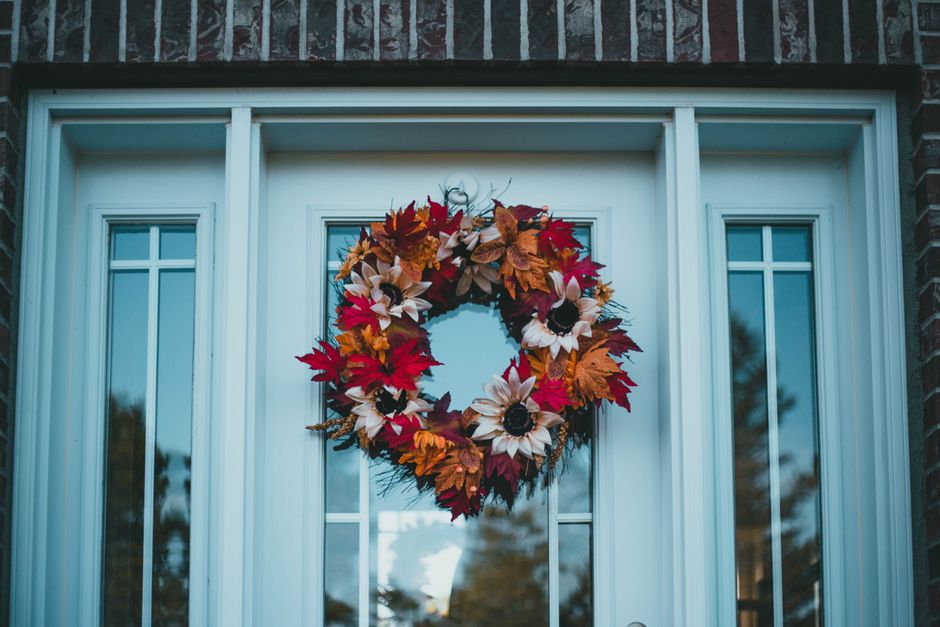
Why Barnet Council rules for doorstep floral displays Matters
At first glance, a doorstep floral display sounds harmless. And usually it is. But once something is placed on a front path, steps, shared landing, or pavement edge, it stops being just decoration and becomes part of the everyday environment. That is where rules, expectations, and common sense start to matter.
In Barnet, as in much of London, the main concerns are usually straightforward: keeping entrances safe, preserving access, avoiding nuisance, and making sure nothing blocks the route for residents, visitors, carers, delivery drivers, or emergency services. A display that looks charming to you can be awkward for someone carrying shopping, pushing a buggy, or walking with limited mobility. It does not take much - one oversized planter or a trailing basket - and suddenly the front step feels cramped.
There is also the neighbour factor. A floral display that sheds soil, leaks water, attracts bees right next to a doorway, or spills into a shared area can create friction. Nobody wants that. A well-placed arrangement should add calm, not a minor domestic saga.
Another reason this topic matters is consistency. If you manage a rental property, run a small business, or maintain a shared building, you need to think beyond personal taste. You need something that looks tidy, is easy to maintain, and does not create avoidable risk. In our experience, the prettiest displays are often the simplest ones.
That is really the heart of it: Barnet Council rules for doorstep floral displays are not about stopping beauty. They are about making sure beauty does not interfere with everyday use.
How Barnet Council rules for doorstep floral displays Works
There usually is not a single rule that says, "you may place three pots of lavender and no more." Local expectations are more practical than that. The real question is whether the display causes a problem. If it does not, it is often fine. If it blocks access, creates a trip hazard, or affects the public highway or shared property, that is where issues start.
Think of it in layers:
- Your own front step or private entrance - You generally have more freedom here, but you still need to keep things safe and manageable.
- Shared spaces - In flats, maisonettes, converted houses, or communal entrances, you may need consent from freeholders, managing agents, or neighbours.
- Pavement or public-facing edge - Anything that extends onto land used by the public is much more sensitive and may need permission or may simply not be appropriate.
The practical test is simple: can people move past comfortably and safely? Can someone see the entrance clearly? Can a delivery person place a parcel without knocking a pot over? If the answer is no, the display needs adjusting.
There is also the maintenance question. A display is not one-and-done. Flowers fade, water drips, leaves scatter, and pots can shift in wet weather. A tidy arrangement on a bright morning can become slippery by evening if nobody keeps an eye on it. London weather has a way of keeping you honest.
For many households, the best approach is to keep floral features close to the door but clearly within private space, with enough room for the door to open fully and for anyone approaching to step aside easily. If the building is older or the path narrow, this matters even more.
Key Benefits and Practical Advantages
When done well, doorstep floral displays bring more than just pretty colour. They can improve the feel of an entrance, support pride in place, and make a home or business look cared for. That first impression really does count.
Here are the main advantages:
- Better kerb appeal - A neat floral display softens hard architecture and makes an entrance feel inviting.
- Clearer home identity - Useful for guests, carers, and delivery drivers, especially where doors look similar.
- Seasonal variety - You can swap displays through the year without major cost or disruption.
- Small-space beauty - Even a narrow stoop or recessed doorway can benefit from compact planting.
- Stress reduction - It sounds minor, but a small green space at the front door can change how a place feels when you come home after a wet commute.
There is a practical side too. Thoughtful displays can help mark private space, especially in shared terraces or townhouses. A couple of balanced pots can signal "this is the entrance" in a way that feels welcoming rather than cluttered.
And if you care about presentation, the details matter. Matching colours, healthy foliage, and a clean pot line make a display look intentional. A tired basket with a few drooping stems, on the other hand, can make an otherwise tidy house look forgotten. A bit harsh perhaps, but true.
Who This Is For and When It Makes Sense
This topic is relevant to more people than you might expect. Doorstep floral displays are not just for keen gardeners. They matter for anyone who wants a front entrance to feel pleasant without causing practical problems.
You may need this guidance if you are:
- a homeowner improving the look of your entrance
- a tenant wanting to personalise a flat or maisonette doorway
- a landlord or letting agent checking common-sense presentation standards
- a business owner with a street-facing doorway
- a property manager responsible for communal access areas
- someone arranging flowers for a ceremony, event, or special occasion at a residential entrance
It also makes sense if you live in a property where space is tight. Barnet has plenty of residential streets where front doors sit close to steps, railings, fences, or pavement edges. In those settings, even a small arrangement needs to be chosen carefully.
A good rule of thumb: if the display is decorative, it should stay decorative. The moment it starts acting like furniture, storage, or a barrier, you are likely drifting into awkward territory.
One more thing. If you have elderly visitors, children, or anyone with limited mobility coming in regularly, you should think extra carefully about the route to the door. A display that looks harmless at 2 p.m. can feel like a nuisance at 8 p.m. when it is dark and someone is negotiating the step by habit rather than sight.
Step-by-Step Guidance
Here is a practical way to plan a doorstep floral display that feels attractive and sensible at the same time.
- Measure the space first. Check the width of the step, threshold, and any side landing. Do not guess. Guessing is how the oversized planter wins.
- Map the movement. Open the door fully, note how far it swings, and think about where people naturally step.
- Choose a stable container. Heavy pots are less likely to tip. Lightweight baskets are fine too, but only if they sit securely and do not blow about.
- Keep pathways clear. Leave enough room for safe passage. If the entrance feels squeezed, reduce the display rather than hoping people "just manage".
- Pick plants that suit the spot. Shadier entrances need different planting from sunny ones. A display that looks glorious in the morning may struggle by mid-afternoon if the location is wrong.
- Water carefully. Avoid overwatering near steps or smooth paving, because runoff can create a slippery surface.
- Check visibility. The entrance should remain easy to spot, especially in low light or at night.
- Review it after rain and wind. A display can shift more than you expect. A quick reset after bad weather saves headaches later.
- Ask before using shared areas. In flats or communal hallways, confirm that the display is permitted. That conversation is much easier before anyone complains.
- Maintain it weekly. Deadheading, sweeping loose petals, and wiping muddy pots keeps things looking deliberate rather than forgotten.
It sounds like a lot written out, but in practice it becomes a simple routine. Measure, place, check, tidy. That is the whole rhythm.
Expert Tips for Better Results
If you want your front entrance to look polished without becoming high maintenance, a few small choices make a big difference.
1. Use two matching containers instead of one oversized arrangement. Balanced symmetry often feels calmer and less cluttered. It can also keep the entrance open in the middle, which helps with access.
2. Stick to a restrained colour palette. Soft whites, greens, pinks, and purples usually work well on narrow entrances. Mixed-colour displays can be lovely too, but they need a bit more discipline or they quickly look busy.
3. Choose sturdy blooms over fussy ones if the spot is exposed. Windy, draughty doorsteps are not ideal for delicate stems. Some flowers simply handle the conditions better than others.
4. Think seasonally. Spring bulbs, summer baskets, autumn foliage, and winter greens all work if they suit the light and weather. Seasonal displays tend to feel more natural and less forced.
5. Leave a dry border around the threshold. If water or compost is too close to the edge, the entrance can become messy quickly. That small gap matters more than people realise.
6. Avoid fragrance overload. A sweet scent near the door can be lovely, but too much fragrance in a narrow space can be overpowering. Not everyone wants to walk through a cloud of perfume at 7:30 in the morning.
7. Keep a backup plan. If a display is weather-sensitive, have a simple fallback arrangement ready. A spare pot or basket can save the entrance when one plant starts looking tired.
To be fair, the best entrances often look almost effortless. That is usually the result of a few careful decisions rather than a huge display.
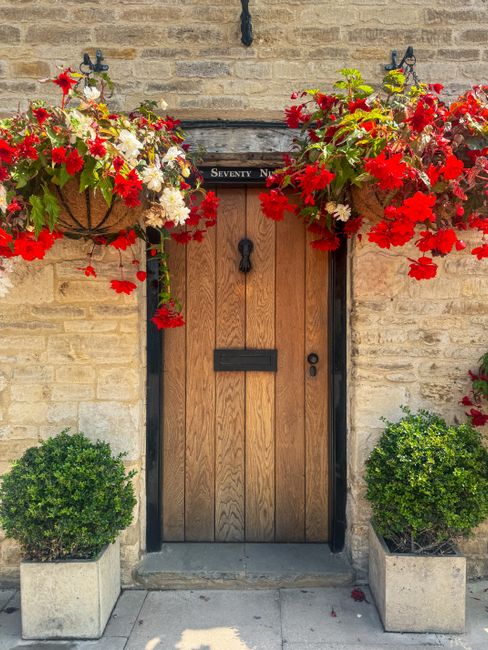
Common Mistakes to Avoid
Most problems with doorstep floral displays are predictable, which is useful because it means they are avoidable. Here are the mistakes that crop up most often.
- Blocking the doorway. Even a small obstacle can be annoying if someone is carrying bags or a pushchair.
- Using containers that wobble. A pot that shifts in wind or on uneven paving is asking for trouble.
- Letting water pool on steps. This can create a slip risk, especially in colder weather.
- Ignoring shared access rules. If you are in a block of flats, the display may need permission.
- Choosing plants that outgrow the space. What looks neat in week one can become a jungle by week four.
- Overcrowding with ornaments. Flowers plus signs plus lanterns plus statues can tip from charming to cluttered very fast.
- Forgetting maintenance. A display needs deadheading, cleaning, and occasional reshaping.
- Not checking after storms. Wind, rain, and frost can move things around or damage plants overnight.
A small, tidy arrangement that is maintained well will almost always age better than a grand one that is neglected. That is the bit people learn the hard way.
Tools, Resources and Recommendations
You do not need a professional toolkit to manage a doorstep floral display, but a few simple items make life easier.
- Compact measuring tape - helpful for checking the width of the entrance and the clearance around the door.
- Stable pots or baskets - choose containers with enough weight to stay put.
- Good-quality compost - fresh compost helps plants settle and reduces mess.
- Watering can with a controlled spout - keeps runoff under control.
- Small hand trowel and snips - useful for quick maintenance and deadheading.
- Outdoor mat or tray - can help protect the immediate area from mud or water splashes, if appropriate.
- Storage box or shelf - handy for seasonal swaps, spare bulbs, and cleaning cloths.
For those who want a more polished finish, a local florist can help with colour matching, seasonal selection, and container ideas that suit a narrow entrance. If you need inspiration for arrangement styles or occasion-based flowers, a browse through florist choice arrangements can be a helpful starting point, especially if you want something ready-made rather than built from scratch.
If you are planning a front-door display for a special event, you might also look at wedding flowers, any occasion flowers, or luxury flowers for ideas on structure, scale, and finish. Not every entrance needs that level of polish, of course, but it can be useful for visual reference.
And if maintenance is a worry, practical aftercare matters just as much as the display itself. A quick read of the site's flower care guidance can help you keep cut stems or mixed displays looking fresh for longer.
Law, Compliance, Standards and Best Practice
This is the part people often skip, then regret later. The legal and compliance side is not usually complicated, but it deserves proper attention.
In general, the main issues are access, safety, nuisance, and property rights. If a floral display is on private property and does not interfere with anyone else, it is usually a straightforward decorative matter. If it crosses into a shared hallway, fire escape route, communal landing, or public pavement space, you need to be much more careful.
Best practice in a Barnet context usually means:
- keeping the display within your own boundary wherever possible
- avoiding obstruction of doors, steps, ramps, and access routes
- ensuring containers are stable and not a trip hazard
- preventing water, compost, or plant debris from affecting shared areas
- checking lease, tenancy, or building rules before placing anything in a communal zone
- being considerate about size, scent, and maintenance
If your building has a managing agent, a landlord, or residents' association, their rules may matter just as much as any council expectation. That is especially true in apartment blocks and converted properties. A small display in the wrong place can become an access issue very quickly, even if the flowers themselves are beautiful.
For businesses, the same thinking applies with added emphasis. A doorway used by staff or customers should remain safe and unobstructed at all times. If in doubt, simplify rather than decorate heavily.
Key practical takeaway: if the display can be lifted, moved, or knocked over easily, it probably needs rethinking. If it leaves no clear walking line, it needs reducing. Simple, really.
Options, Methods, or Comparison Table
Not all floral displays are the same. The right choice depends on space, maintenance, and how formal or relaxed you want the entrance to feel.
| Display type | Best for | Pros | Watch-outs |
|---|---|---|---|
| Single pot | Very small entrances | Simple, tidy, easy to move | Can look sparse if oversized |
| Paired pots | Balanced front steps | Symmetry, clear centre passage | Needs matching height and good spacing |
| Basket arrangement | Soft, informal look | Warm and welcoming | May dry out faster in exposed spots |
| Seasonal planter | Rotating displays | Fresh appearance through the year | Requires regular replanting |
| Cut-flower doorstep display | Short-term occasions | Beautiful for events or celebrations | Short lifespan, more upkeep |
If you want a low-maintenance option, paired pots or a single robust planter is often the safest bet. If you want something more expressive, baskets and seasonal combinations can look lovely, but they need attention. There is no perfect answer for every doorway. It depends on the space and, honestly, how much tidying you are prepared to do on a damp Tuesday morning.
Case Study or Real-World Example
Picture a narrow terraced house in Barnet with a front step close to the pavement. The resident wants to brighten the entrance with flowers because the hallway feels a bit stark, especially in winter. A large planter would have looked impressive for a week, but it would also have narrowed access and made the door awkward to use.
Instead, they choose two medium-height pots with compact, low-spreading plants. The pots sit inside the property boundary, leaving a clear walking line. A small mat catches debris, and watering is done carefully so nothing runs onto the step. The arrangement looks neat from the street and practical from the inside. Job done.
What made it work?
- The display respected the available space.
- It left clear access to the doorway.
- It did not rely on fragile, high-maintenance blooms.
- It could be lifted indoors quickly if bad weather arrived.
That is the pattern worth copying. Not flashy. Not overthought. Just a thoughtful entrance that does what it is meant to do.
Practical Checklist
Use this quick checklist before you place anything by the door.
- Is the display entirely within your own space?
- Can the door open fully without hitting it?
- Is there enough room for people to pass safely?
- Will the container stay stable in wind and rain?
- Could water spill onto steps or a walkway?
- Have you checked for any lease, tenancy, or building rules?
- Does the display avoid blocking visibility of the entrance?
- Can you maintain it without hassle?
- Will it still look tidy after a few days?
- Is it easy to remove if needed?
If you can answer yes to most of those, you are probably on safe ground. If not, simplify. A little restraint goes a long way.
Get a free quote today and see how much you can save.
Conclusion
Barnet Council rules for doorstep floral displays are best understood as a practical framework rather than a strict style guide. The aim is simple: keep entrances attractive, safe, and respectful of the people who use them. If you stay within your boundary, avoid obstruction, and keep maintenance under control, you can usually enjoy a lovely display without creating problems.
The best floral doorways are the ones that feel effortless to everyone else because somebody has quietly thought things through. That is the real trick. Not more flowers, just better judgement.
And if you are still undecided, start small. A well-chosen pot or basket often says more than a crowded arrangement ever could. Sometimes the tiniest welcome is the nicest one.
Frequently Asked Questions
Are doorstep floral displays allowed in Barnet?
Usually, yes, if they stay within private property, do not block access, and do not create a hazard. The key is whether the display causes practical issues for residents or visitors.
Do I need permission to put flowers outside my front door?
If the display is entirely on your own property, you may not need permission. If it is in a communal area, leasehold setting, or near the pavement, permission or approval may be needed.
Can I place plant pots on the pavement outside my house?
Not without checking first. Anything on the public highway or pavement edge can raise access and safety concerns, so it is best to avoid assuming it is allowed.
What makes a doorstep floral display unsafe?
Common risks include blocking the doorway, creating a trip hazard, using unstable pots, spilling water on steps, or narrowing the path so much that people cannot pass comfortably.
What flowers are best for a small front entrance?
Compact, sturdy, low-maintenance plants and flowers usually work best. The exact choice depends on sun, shade, and how exposed the entrance is to wind and rain.
How often should I maintain a doorstep floral display?
A quick weekly check is sensible for most displays. You should remove dead flowers, wipe up mess, and make sure containers have not shifted after bad weather.
Do landlords or managing agents have a say?
Yes, they often do. In shared buildings, lease terms or building rules may set limits on what can be placed in communal areas or near entrances.
Can floral displays affect accessibility?
They can, especially if they reduce the width of a narrow step, block ramps, or make the route harder to see. Accessibility should be part of the planning from the start.
What is the simplest safe option?
A single stable planter or a pair of small matching pots usually works well. Simple arrangements are easier to keep tidy and less likely to interfere with access.
How can I make a display look neat rather than cluttered?
Use fewer items, keep colours coordinated, and leave clear space around the doorway. Clean containers and regular maintenance make a bigger difference than people expect.
Are seasonal displays a good idea?
Yes, seasonal displays often work very well because they feel fresh and can be adapted to changing weather. Spring, summer, autumn, and winter each suit different plants and arrangements.
What should I do if a neighbour complains?
Listen carefully, check whether the display is affecting access or shared space, and be prepared to adjust it. A small change is usually easier than a drawn-out argument, and honestly, that is the better path.